
Anima
Alien Invasibility in a Warming Sea: New challenges for Marine research and conservation
ANIMA project seeks to determine how global warming may interact with biological invasions across all steps of the invasion pathway.
Keywords: marine forests, outreach, raising awareness and consciousness, education, marine biology.
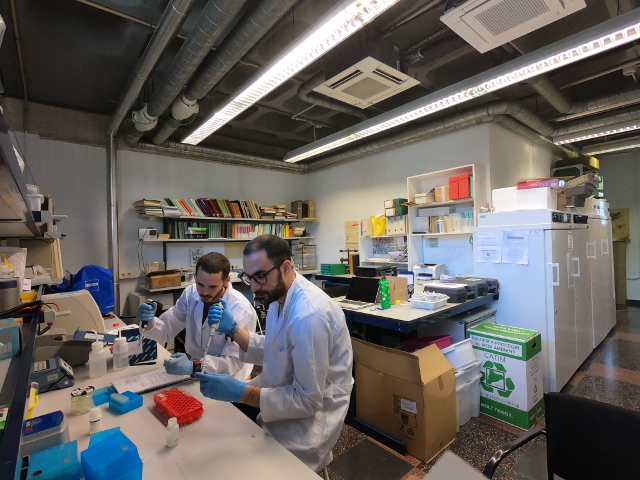
Which is the origin of the invasive algae invading the Mediterranean?
Some of the invasive species exhibit thermal responses in agreement with the characteristics of temperate seaweeds, compromising the until now stated tropical origin of both species. Comparative molecular investigation on the phylogeny and biogeography of Mediterranean and extra-Mediterranean populations studies will clarify the origin of the invasive strain and therefore its environmental niche.
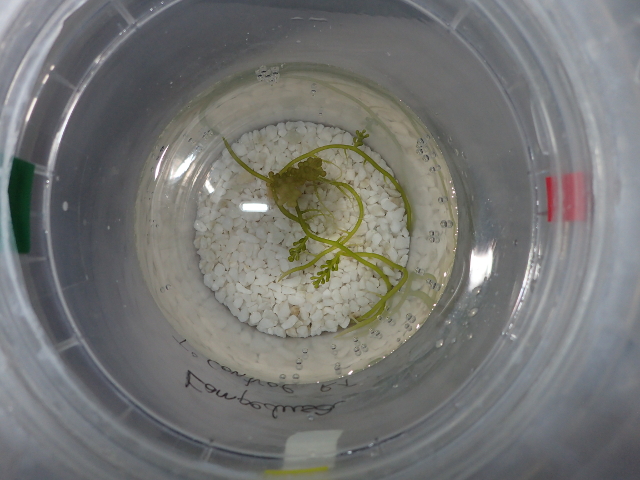
Native environmental conditions, will strongly determine ecological niche suitability in the new areas.
Invasive algae tolerance to different temperature thresholds is the first step determining invasiveness in a new area.
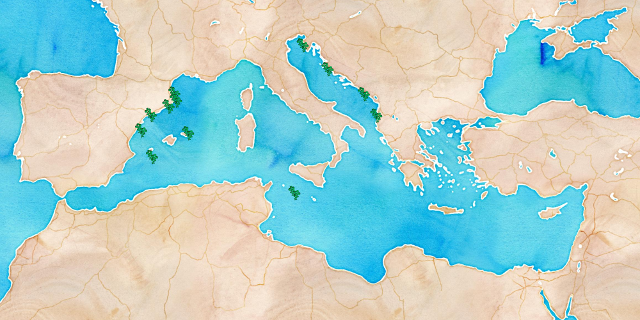
Can invasive algae adapt or acclimate to a new environmental conditions?
Populations from different places can adapt to different seawater temperatures, which might be essential to determine the future invasibility of invasive algae under climate change.
Are the most structured and biodiverse habitats those most resistant to the invasion?
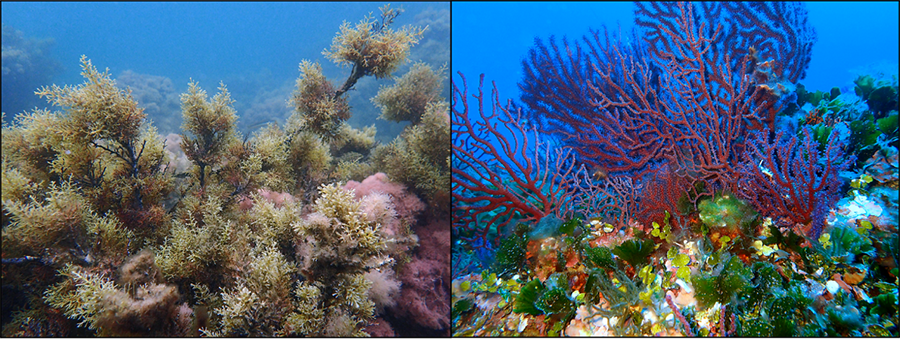
We have seen that it strongly depends on the habitat and invasive species traits.
In coralligenous habitats presence of the red gorgonian Paramuricea clavata seems to decrease Caulerpa cylindracea invasiveness. Link al paper de científic reports de la Jana. In contrast, in Cystoseira forest, biodiversity and high structure facilitates the invasion of Lophocladia lallemandii. Link al paper de Biological Invasions meu.
Can native grazers limit the expansion of invasive algae?
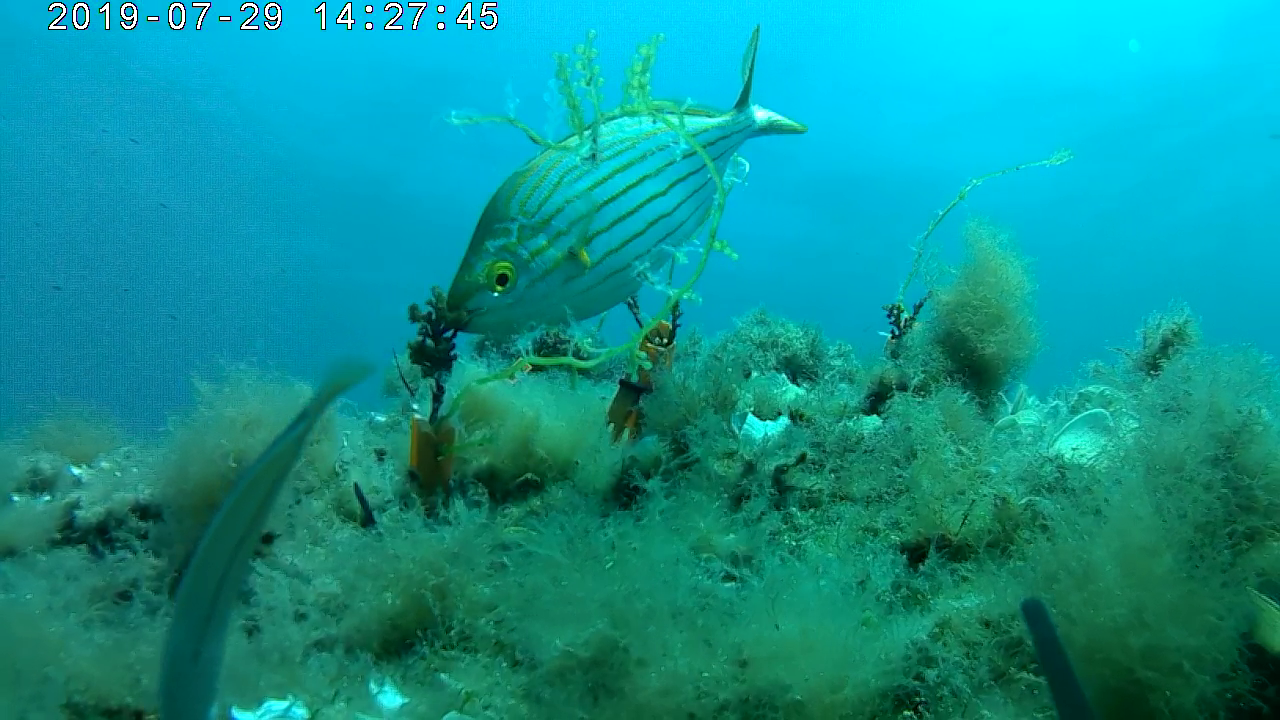
Although the role of the native herbivorous Paracentrotus lividus seems not relevant, the real potential role of Sarpa salpa remains uncertain.
In this project we aim to elucidate whether fish herbivory could cause C. cylindracea regressions, considering not only the herbivory itself but also the complexity of the ecosystem.
